Australia’s A$5 million humanoid robotics hub now has an implementation plan
QUT says total programme funding exceeds A$9 million and names partners across care, construction and manufacturing. The announcement sets research scope, not deployment results.
Review basis: Analysis based on public information
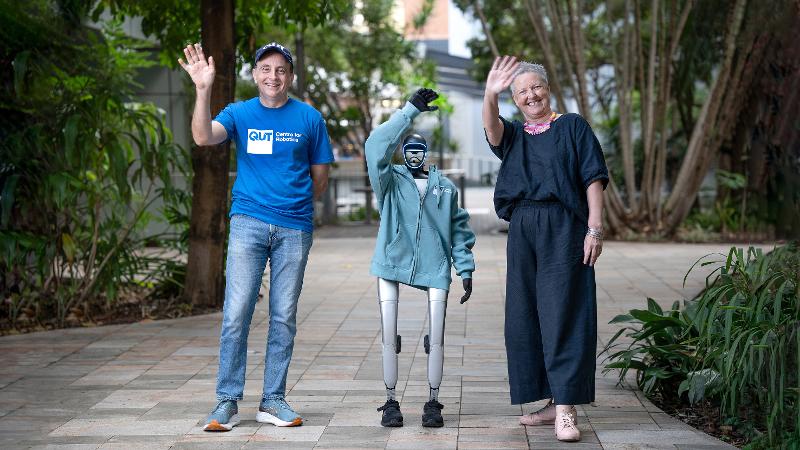
Update — QUT’s 29 October announcement: QUT has now described how the ARC Research Hub for Safe and Ethical Humanoid Robot Implementation and Adoption will be organised. The university says total programme funding exceeds A$9 million, combining the A$5 million ARC award with broader support, and names university, government, research and industry participants. The announcement defines a research programme; it does not report a robot deployment or trial result. [S4]
What the new announcement adds
QUT says the collaboration includes Swinburne University of Technology, Flinders University, CSIRO, ARM Hub, Queensland Health and the National Injury Insurance Agency Queensland. Named industry participants span construction, manufacturing, technology, health and community services, including McNab, Brickworks, NVIDIA, BMW, Treasury Wine Estates, Fourier Intelligence, Spinal Life Australia and Endeavour Foundation. [S4]
That mix matters because safe adoption cannot be tested only inside a robotics laboratory. Construction and manufacturing partners can expose setup time, recovery and site-integration problems; health and community organisations can test consent, privacy and human-support requirements. Participation alone, however, is not evidence that any partner has deployed a humanoid or committed to a particular robot platform.
More than A$9 million, with an incomplete breakdown
The ARC record still identifies A$5 million in Australian Government funding. QUT’s announcement says the hub will have total funding of more than A$9 million, but it does not break the balance into cash, in-kind support, individual partner contributions or robot purchases. [S1] [S4]
The larger total therefore describes the scale of the programme, not a procurement budget and not money paid to a robot manufacturer.
The promised outputs are practical; the evidence is still ahead
QUT says the hub will develop design tools, workforce resources, standards and frameworks addressing safety, accountability and privacy. It will examine whether humanoids can reduce injuries, respond to labour shortages and improve wellbeing or productivity in care, construction and manufacturing. [S4]
Those are useful questions and intended outputs. The announcement does not yet provide study protocols, task benchmarks, intervention rates, comparison equipment, reporting dates or results. PHASE will treat future demonstrations as demonstrations until the hub publishes enough information to assess repeatability and workplace performance.
The Unitree connection remains contextual
The official announcement is illustrated with QUTie, QUT’s Unitree G1, and QUT has already used that platform for public human-robot interaction work. Unitree is not named in the announced partner list, and QUT does not say that the hub will standardise on G1 or purchase additional Unitree machines. [S2] [S4]
For PHASE readers, QUTie makes the programme directly relevant to the local Unitree ecosystem. It does not turn the ARC grant into a Unitree contract.
The original analysis follows below. Its publication date and argument are retained.
Australia has approved A$5 million in Australian Research Council funding for a QUT-led humanoid robotics research hub, with a five-year funding duration listed in the ARC’s approved-project report. [S1]
The project’s formal name is the ARC Research Hub for Safe and Ethical Humanoid Robot Implementation and Adoption. Its focus is care, construction and manufacturing, with planned outputs including guidance, standards and design tools for workplace use. [S1]
For PHASE, the significance is the question being funded: how a humanoid can become useful around people, with the supervision, safety and work practices that requires.
Research funding, not a deployment result
The grant record sets out ambitions to support workers, reduce injuries and address labour shortages. Those are research objectives, rather than benefits already demonstrated by the award. [S1]
There is a practical distinction here. A research programme can investigate which tasks suit a humanoid, where existing equipment works better and what people need to operate either safely. It does not need to assume that a human-shaped robot is the best answer in every setting.
That makes unsuccessful trials potentially valuable too. A well-documented task that proves too slow, fragile or supervision-intensive can help another employer avoid buying the wrong system. The useful output is evidence that survives beyond a demonstration.
A local connection to Unitree
QUT already has a visible humanoid research platform. In May, the university described QUTie, its Unitree G1, as a tool for studying human-robot interaction through public encounters in Brisbane and regional Queensland. Jonathan Roberts said people’s differing reactions would help guide the research. [S2]
That provides relevant background for this story, including the accompanying QUT photograph. It does not establish which robots the new hub will purchase or deploy.
The ARC partner list includes Fourier, NVIDIA, BMW, CSIRO, Queensland Health and construction businesses including McNab and Brickworks. Unitree is not named in that list. [S1]
For readers following Unitree in Australia, the connection is therefore the research environment around its hardware, rather than a new Australian grant to the manufacturer.
What a useful workplace trial should establish
PHASE’s view is that this programme will be most useful if its trials make the operating conditions visible.
In care, an evaluation should distinguish a welcoming social interaction from dependable assistance. It should explain what the robot does, who consents to the interaction and when a staff member must take over. A positive reaction is worth studying; it cannot stand in for a completed care task.
On a construction site or production floor, completion time should include setup, interruptions and recovery. Comparisons should account for the person supervising the robot, rather than treating that person’s time as free. Changes to the work area should also be recorded so another employer can judge whether the result transfers.
Across these settings, researchers should report unsuccessful attempts and interventions alongside successes. Clear boundaries around a robot’s useful tasks would give prospective users something firmer than a polished video to assess.
These are PHASE’s proposed tests of the programme’s value, not a claim that the hub has published those protocols or achieved those results.
Australia’s A$5 million commitment creates room to investigate those questions. The next substantive story will be what the research finds about the jobs humanoids can perform, the help they still need and the settings in which they earn their place.
Sources & analysis
Primary source
Australian Research Council: Industrial Transformation Research Hubs 2026 funded projects, IH260100034
Primary source
QUT: Hello QUTie! QUT’s new humanoid robot takes on the real world, 11 May 2026
Author analysis
PHASE editorial analysis: proposed criteria for evaluating workplace trials
Primary source
QUT to lead research hub on humanoid robots Queensland University of Technology · Published 2026-10-29 · Retrieved 29 October 2026
This is an independent, unofficial publication and is not affiliated with Unitree Robotics.
Related reading
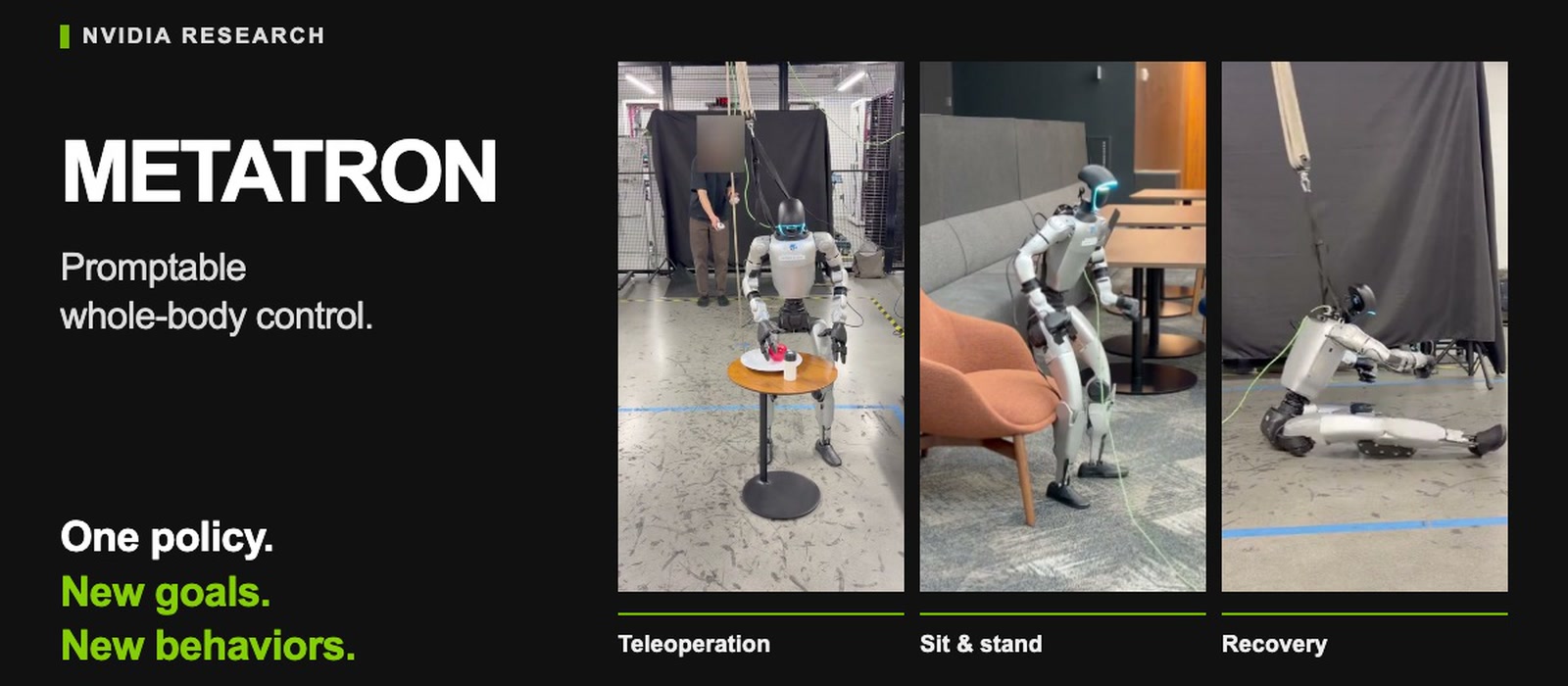
Metatron gives Unitree G1 one frozen controller. The benchmarks are still simulated.
NVIDIA’s policy handles steering, reaching, recovery, teleoperated pickup and sitting through changing goal prompts. Its 83% reaching result and push tests are MuJoCo results, while hardware evidence remains qualitative.
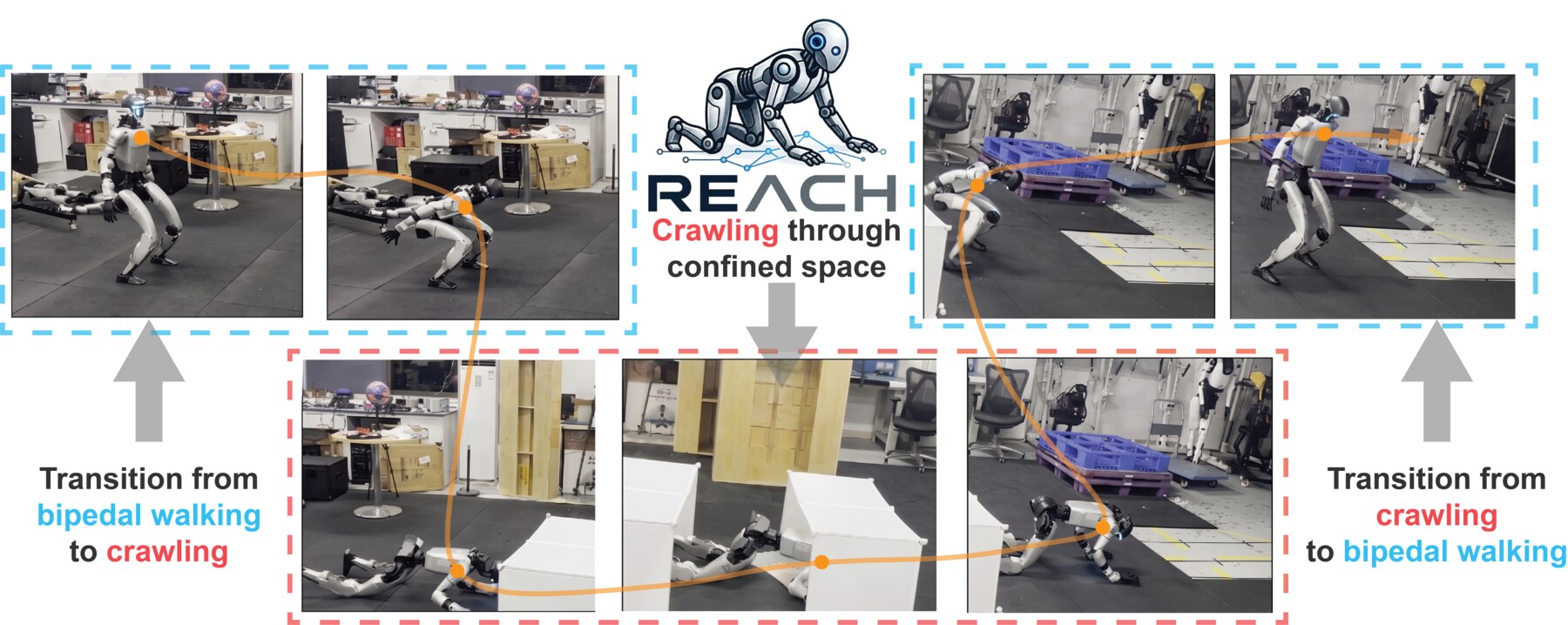
REACH gets Unitree G1 under a 40 cm clearance. The reliability result is narrower.
The system combines LiDAR planning, variable-height walking and crawling. Its 48/50 real-robot transition result is measured; the full confined-space runs are still demonstrations.
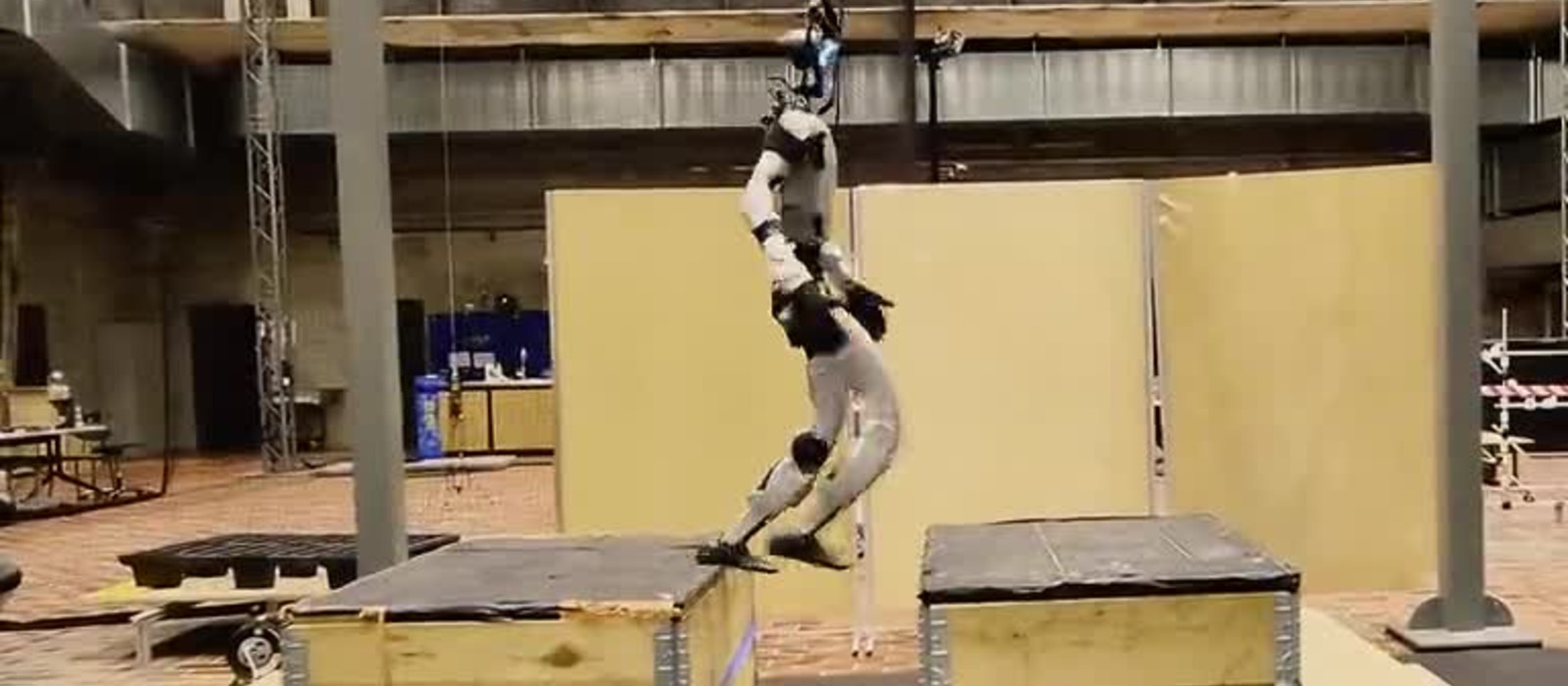
Watch Your Step cuts what Unitree G1 needs to see before it steps
A foothold predictor reduces the terrain input from 693 heights to 102 values and reaches the training curriculum roughly three times sooner. Real G1 videos show transfer, not measured reliability.
Reader discussion
No comments yet. Add the first thoughtful contribution.
Join the discussion