QUT is taking its Unitree G1 to Brisbane Festival. The real test is human-robot interaction.
QUTie’s motion-captured wellness routine will put a humanoid in front of a festival crowd on 22–23 September. The choreography is the easy part; how people choose to approach, follow and trust it is more revealing.
Review basis: Analysis based on public information
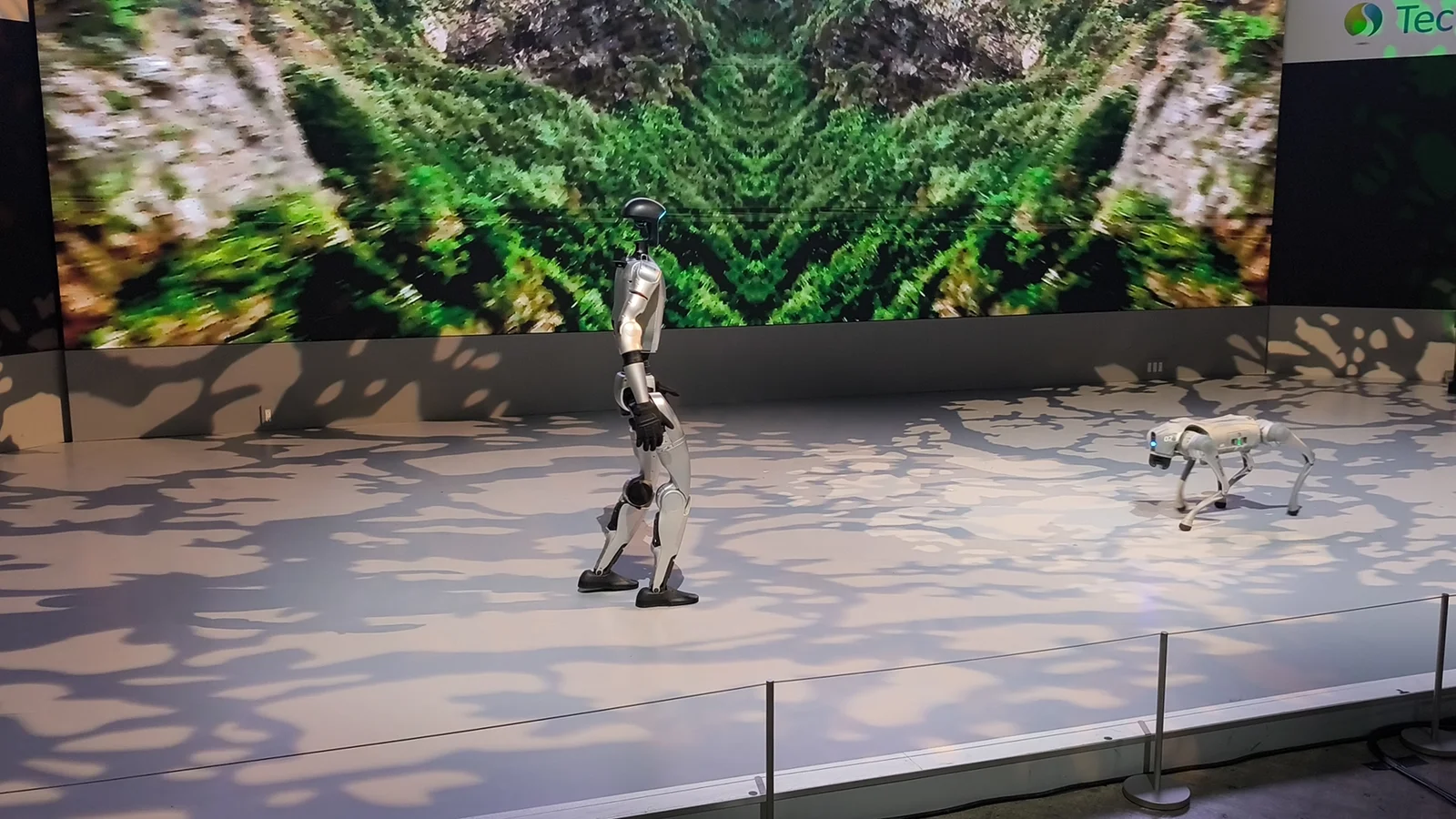
QUT plans to put its 130-centimetre Unitree G1 in front of Brisbane Festival visitors at South Bank on 22 and 23 September. Named QUTie, the humanoid will lead an exercise-based wellness routine built from motion-captured movements. [S1]
That will make an accessible public demonstration: a recognisable body shape, familiar movements and a simple invitation to join in. But the most useful outcome will not be proof that a G1 can reproduce a routine. It will be what happens between the machine and the people around it.
QUT says its Centre for Robotics uses QUTie to better understand human–robot interaction. Professor Jonathan Roberts says the robot’s outings around Queensland have produced varied reactions and helped guide the centre’s research focus. The festival appearance extends that programme into a busy cultural setting, where participation is voluntary and attention has to be earned. [S1]
A routine is a controlled starting point
Motion capture gives the robot a prepared sequence to perform. It can make the movement legible and reduce the number of technical variables compared with asking a robot to improvise. That is sensible for a public event. It also sets a clear limit on what the demonstration establishes.
A robot executing a rehearsed routine is not evidence of general autonomy, social understanding or an ability to coach safely without supervision. The public announcement does not say that QUTie will perceive each participant’s movement, adapt the routine to their ability or recover conversationally when someone misunderstands an instruction. It describes a programmed wellness activity. [S1]
The distinction need not diminish the event. A reliable, constrained routine can create the conditions for a more interesting question: will people treat the machine as equipment, a performer, an instructor or a social presence?
The crowd supplies the difficult variables
QUT has already taken QUTie onto trains, along South Bank and to regional Queensland. In May, Roberts described three broad responses: people who approach for photographs and questions, people who watch cautiously from a distance, and people who ignore the robot. [S2]
Brisbane Festival should add another behaviour: whether people accept direction from the machine. Following a stretch or exercise requires more than looking. A participant has to understand the movement, decide that the interaction feels safe enough, find a comfortable distance and coordinate with the robot’s pace.
Those decisions can expose design problems that a laboratory demonstration misses. Is the invitation obvious without a staff member explaining it? Can a person tell when the routine starts and stops? Does the robot’s gaze or body orientation make it clear whom it is addressing? What happens when a child enters the space, someone stands too close or a participant drops out halfway through?
These are proposed questions for evaluating the activation, not measurements QUT has said it will collect. The university’s announcement does not publish an experimental protocol, consent process, observation scheme or plan for releasing results. The festival appearance should therefore be read as public engagement with research potential unless QUT discloses a formal study.
What meaningful evidence would look like
If the team wants to turn the event into evidence, the useful measures are behavioural and operational. How many passers-by stop? How many join after seeing the robot alone, and how many need prompting from a human facilitator? How long do they stay? How often does a staff member intervene? Can the system continue safely when the spacing, noise and group size change?
Qualitative feedback matters too. A short conversation after the routine could reveal whether participants understood what the robot was doing, whether they felt observed, and which roles they would accept or reject for humanoids. QUT has said it is interested in what communities think humanoids should and should not be used for. Festival visitors can supply answers that are less filtered than feedback from a robotics conference. [S1]
Any recording would raise a separate set of questions. A public activation can include children and bystanders who never choose to participate. Clear notices, a defined boundary around data collection and a practical way to opt out would matter if images, audio or identifiable observations are retained for research. PHASE has found no public detail indicating whether that will occur at this event.
The result is the interaction, not the pose
Humanoid demonstrations often concentrate attention on balance, speed and athletic movement. QUTie’s festival role creates a more modest test, but one closer to the settings in which social acceptance will matter. A robot can complete every programmed movement and still fail as an instructor if people cannot read its cues, do not feel comfortable approaching it or require a human to mediate every exchange.
Conversely, a simple routine that people understand and willingly follow could teach the research team more than another polished agility clip. It would show which behaviours make a humanoid legible in public, where expectations exceed the system’s capabilities and what kinds of assistance people actually want.
QUT is a silver partner of Brisbane Festival, a relationship disclosed in the university’s announcement. [S1] The event is also an opportunity to promote QUT’s work. That makes methodological clarity more valuable: visitors should be able to distinguish a festival activation, a research observation and a validated result.
The wellness routine will be the visible performance on 22 and 23 September. The revealing moments will happen around it: who steps forward, who hangs back, what they think the robot understood and how much human help is required to make the encounter work.
Sources & analysis
Primary source
QUT humanoid robot to lead wellness activities at Brisbane Festival Queensland University of Technology · Published 2026-09-01 · Retrieved 20 September 2026
Primary source
Hello QUTie! QUT’s new humanoid robot takes on the real world Queensland University of Technology · Published 2026-05-11 · Retrieved 20 September 2026
This is an independent, unofficial publication and is not affiliated with Unitree Robotics.
Related reading
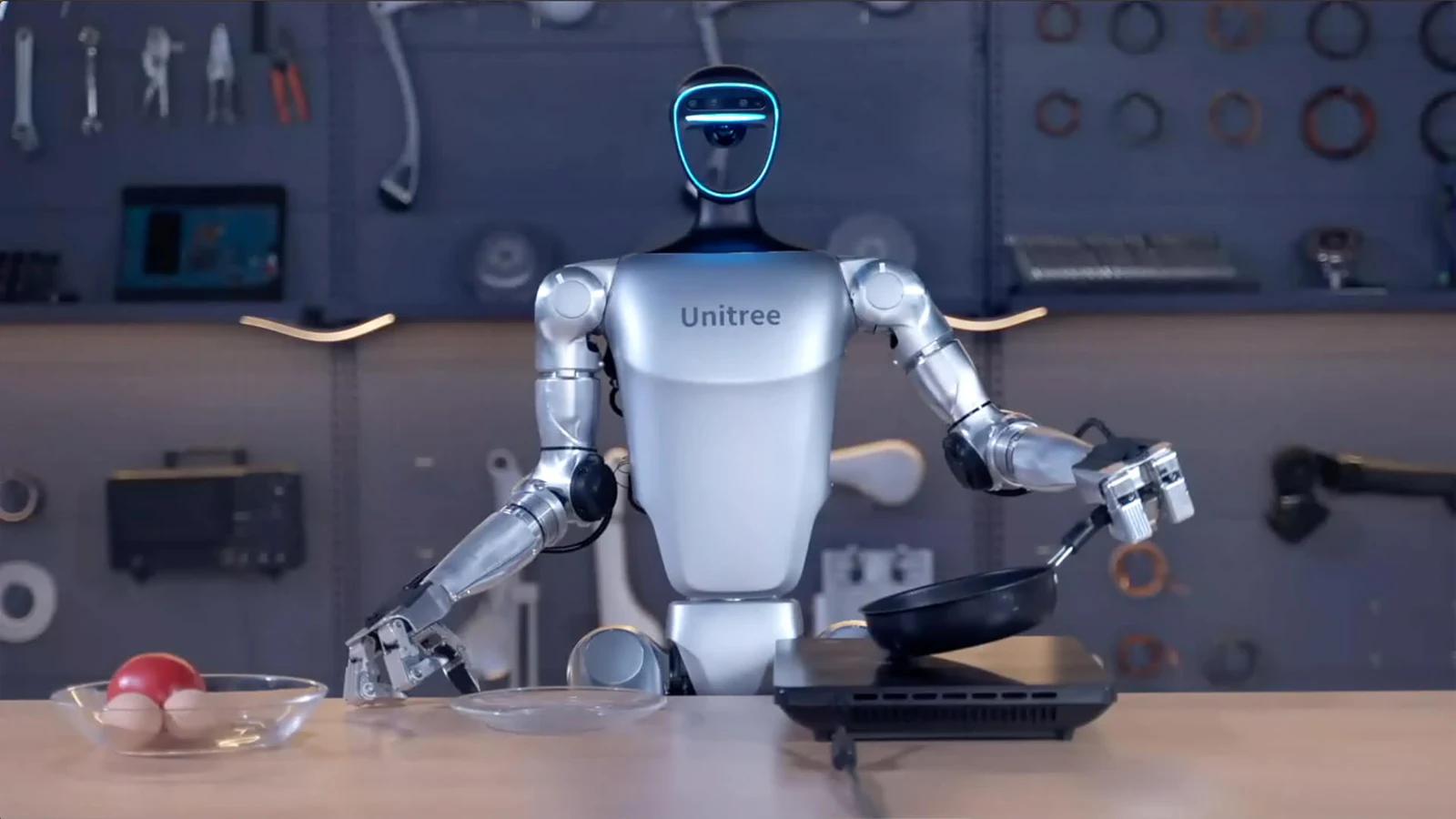
G1+ puts the upgrade question in the sensors, not just the motors
10–16 September 2026, reviewed through 14 September. A reading of Unitree’s current G1+ specification highlights sensing, configuration and developer access—the details that matter before an upgrade.
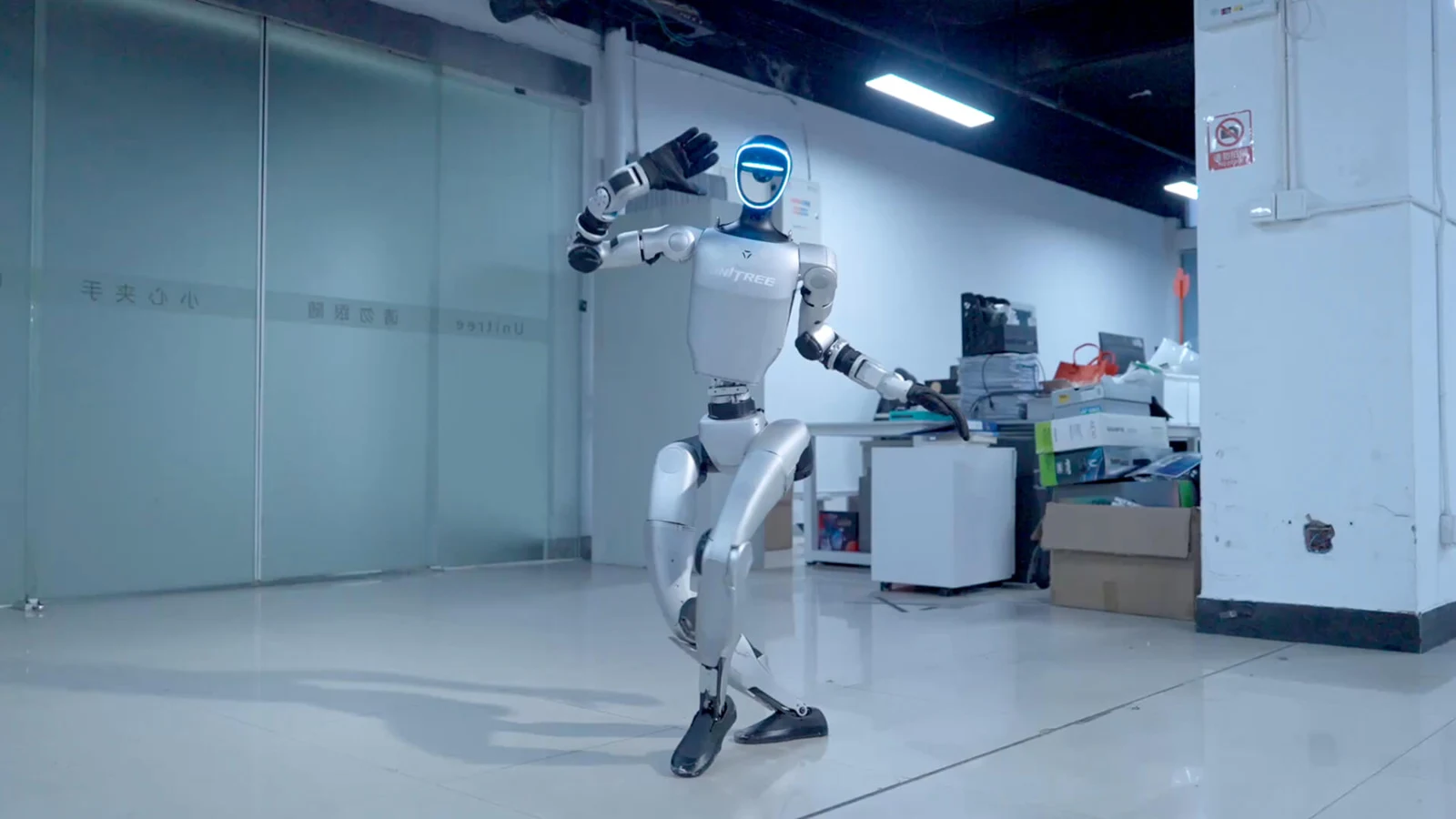
Unitree’s autonomous combat claim needs evidence beyond the ring
3–9 September 2026 in review. The UnifoLM-X2-1.0 announcement put real-time interaction in the spotlight. The next questions concern the test conditions, supervision and transfer to useful tasks.
Unitree’s IPO created paper wealth. That is not the same as cash for robotics.
27 August–2 September 2026 in review. Attention shifted to the shareholders behind Unitree. The useful distinction is between a valuable stake and resources available to build the business.
Reader discussion
No comments yet. Add the first thoughtful contribution.
Join the discussion