G1+ puts the upgrade question in the sensors, not just the motors
10–16 September 2026, reviewed through 14 September. A reading of Unitree’s current G1+ specification highlights sensing, configuration and developer access—the details that matter before an upgrade.
Review basis: Analysis based on public information
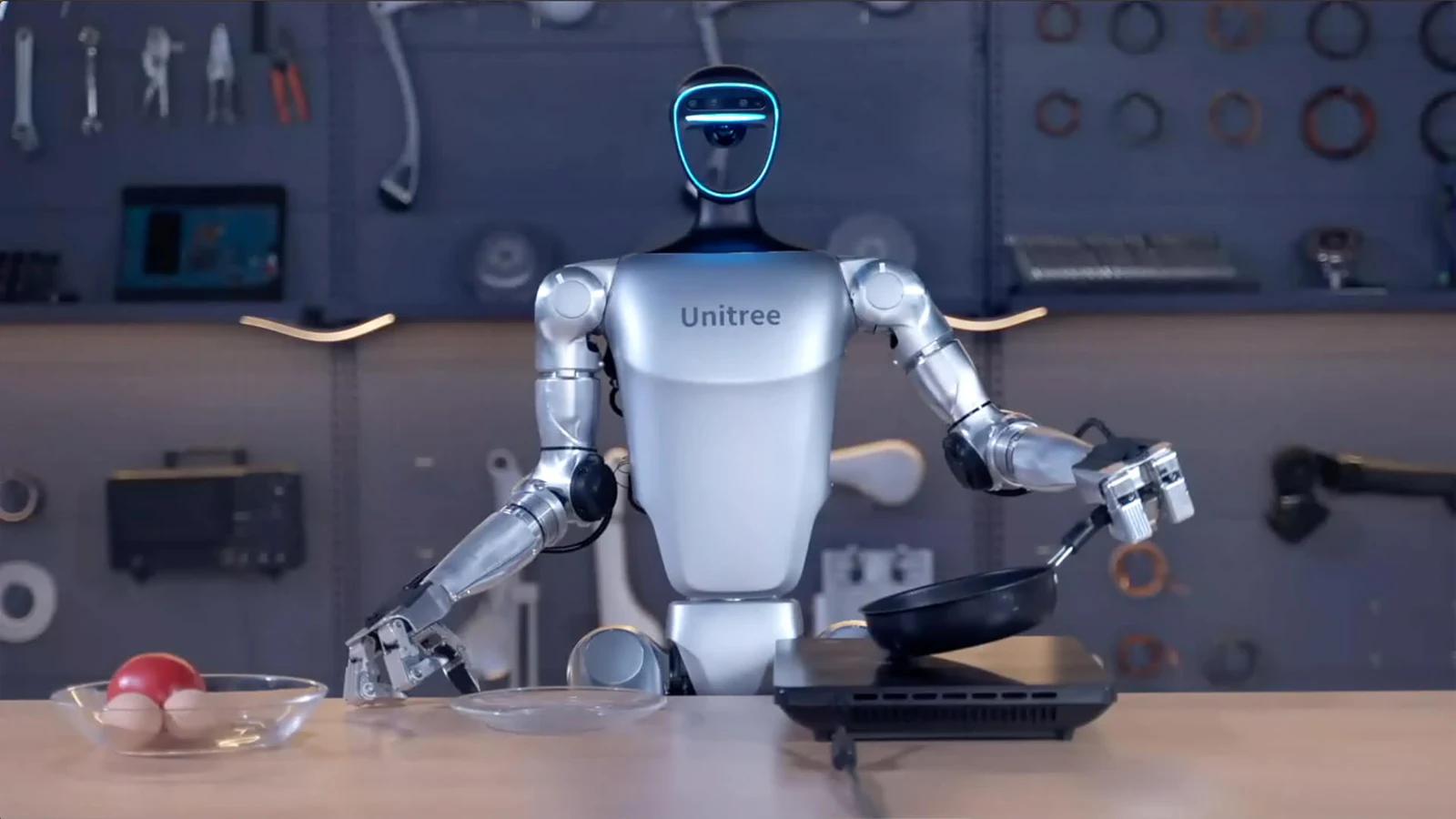
This week’s product reading focuses on G1+, using Unitree’s overseas specification page as inspected on 14 September. The manufacturer lists a two-axis head, binocular and wide-angle cameras, revised motors and support for external power. It distinguishes a standard configuration with 25 joint degrees of freedom from EDU configurations spanning 25–45. [S1]
These are current manufacturer specifications, not PHASE measurements. The page does not give a publication date, so this article does not assign a launch date to it or reconstruct what the page said earlier in the month. The current seven-day review window is still open; this assessment covers information checked through 14 September.
Start with the observation problem
For a research team, our first question would be what the robot can observe and expose to software. Adding a movable head and cameras can expand the ways a system is configured to gather visual information. The practical value depends on access to those streams, their timing and their relationship to the robot’s coordinate system.
Before ordering, ask for the supported interfaces, calibration procedure, synchronisation information and examples that match the exact hardware revision. A camera mentioned in a specification is not a promise that every development workflow can use it in the same way.
The same discipline applies to an upgrade from an existing G1. The useful comparison is not simply whether the newer name has more features. It is whether an existing dataset, controller or experimental setup remains usable, what must be adapted, and how that work will be verified. PHASE has not tested compatibility between these platforms.
Standard and EDU are different purchasing decisions
Unitree’s page lists secondary development for EDU, while the corresponding standard entry is blank or marked with a slash. It also cautions that some showcased functions remain under development. Those distinctions should be resolved in a written configuration rather than inferred from a demonstration video. [S1]
A laboratory should specify the joints, hands, compute options and software access it actually needs. Paying for a capability that is unnecessary adds cost and integration work; choosing a configuration without essential access can prevent the intended experiment from starting. Neither decision can be made reliably from the headline model name alone.
Our recommendation is to define the experiment first, then match the supplied configuration to it. Ask the supplier to identify which functions are available at delivery, which require additional development and which are future plans.
Power and motor claims need operating context
External power support may be relevant to a fixed research station or supervised demonstration. It should not be read as unlimited untethered operation. Cable management, the required power equipment and the intended test arrangement remain practical questions to resolve.
Similarly, a peak motor improvement does not directly specify sustained whole-system performance. Ask what load, movement, duration and conditions a comparison describes. For a buyer, a repeated task under an agreed setup would be more useful than treating a headline improvement as a universal gain.
The Australian buyer’s version of the question
The overseas specification is a starting point, not a confirmed local quotation. PHASE has not verified Australian stock, a delivered Australian price or an authorised local supplier for this configuration. A useful enquiry should name the exact model and options, developer requirements, service arrangements and acceptance test.
G1+ is worth examining because changes to sensing and access can affect what a team can build. The decision to upgrade should follow those requirements. This is public-information analysis, not hands-on testing or a recommendation to buy.
Editorial note: prepared with AI assistance and published at the operator’s direction. This is a retrospective analysis; the publication date records when this article appeared on PHASE. PHASE retains editorial responsibility.
Sources & analysis
Primary source
G1+ Full Evolution — official product specifications Unitree Robotics · Retrieved 14 September 2026
This is an independent, unofficial publication and is not affiliated with Unitree Robotics.
Related reading
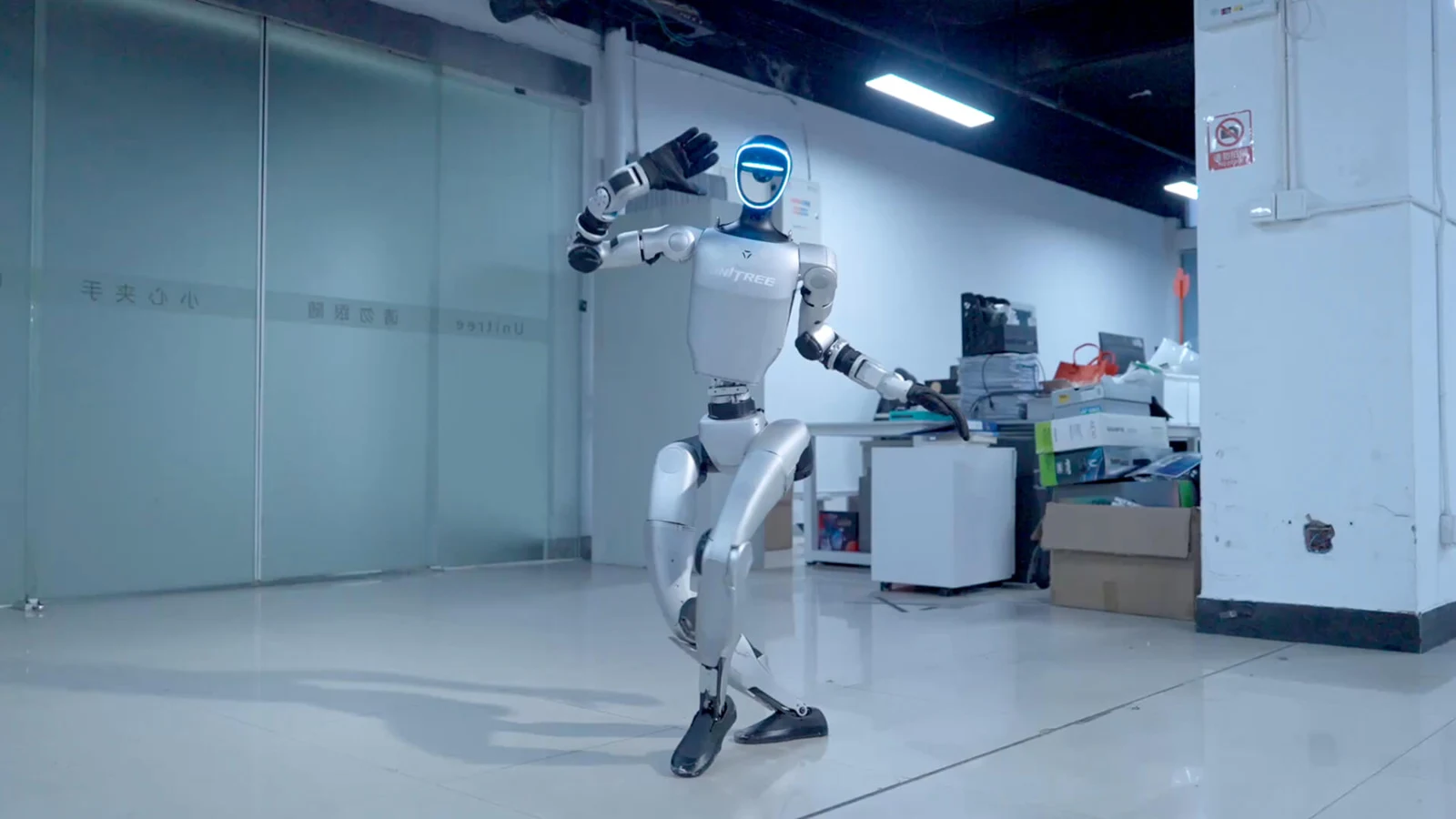
Unitree’s autonomous combat claim needs evidence beyond the ring
3–9 September 2026 in review. The UnifoLM-X2-1.0 announcement put real-time interaction in the spotlight. The next questions concern the test conditions, supervision and transfer to useful tasks.
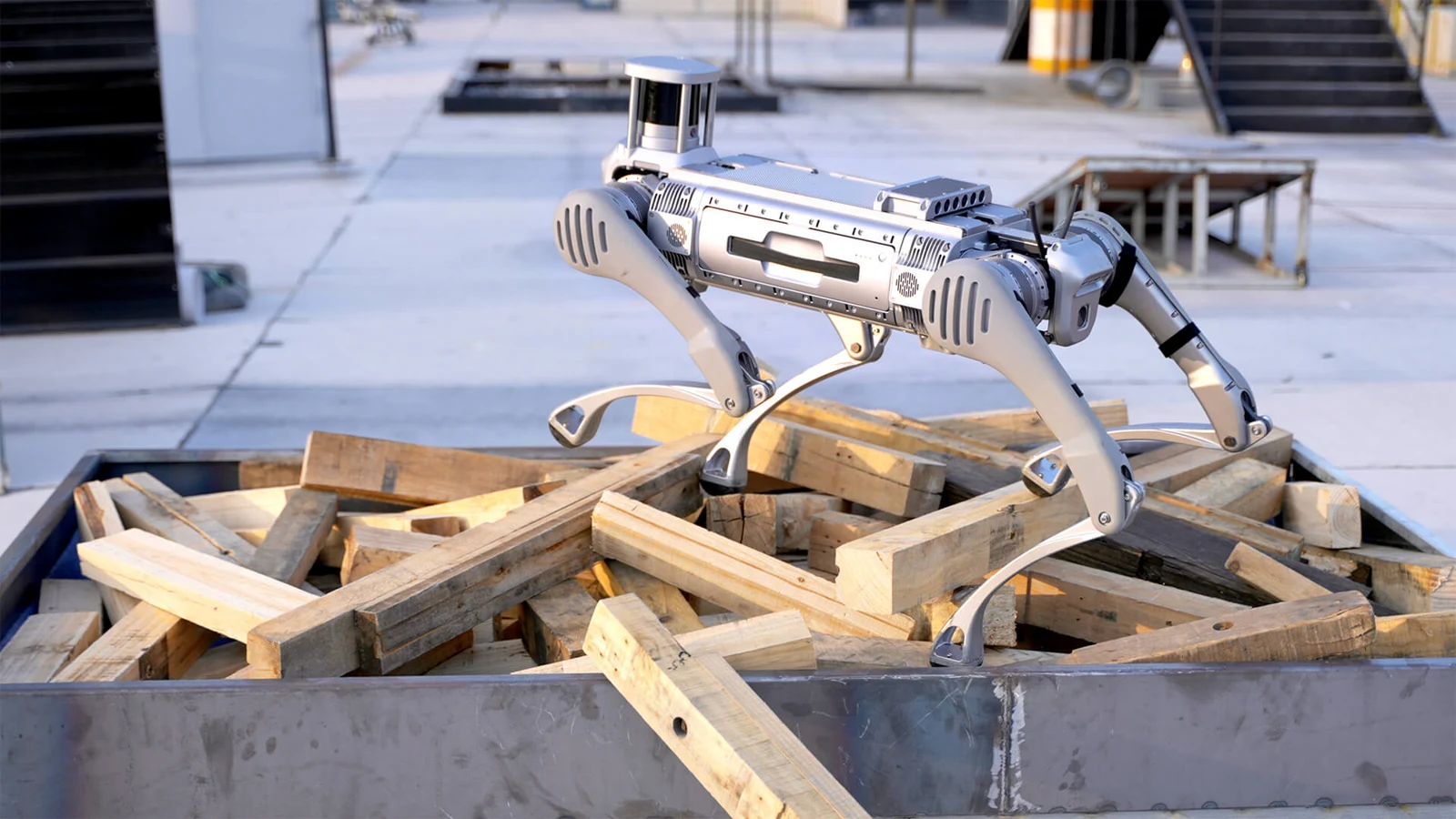
Unitree’s IPO created paper wealth. That is not the same as cash for robotics.
27 August–2 September 2026 in review. Attention shifted to the shareholders behind Unitree. The useful distinction is between a valuable stake and resources available to build the business.
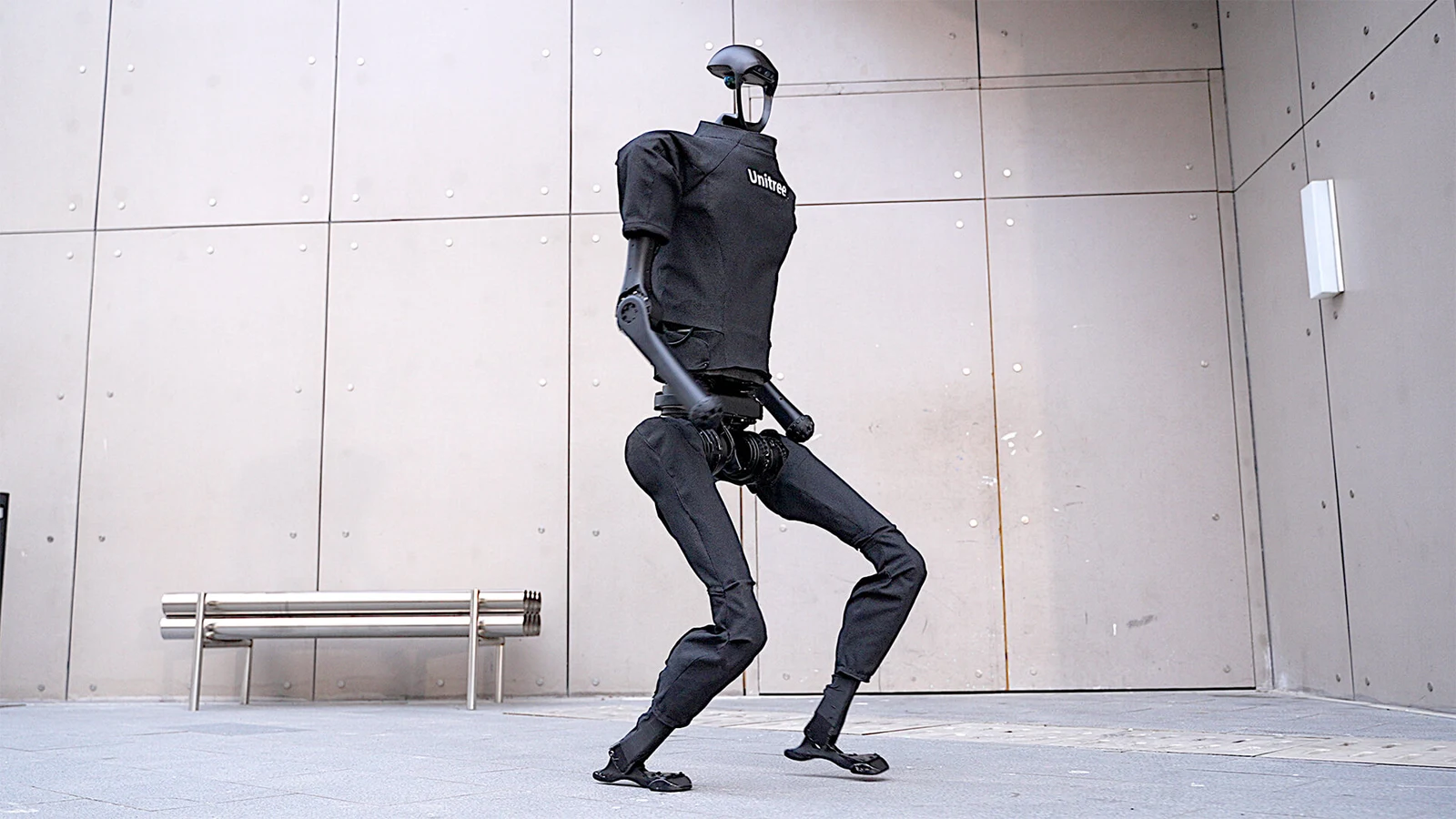
Unitree’s 80% test needs a better question: 80% of what?
20–26 August 2026 in review. Wang Xingxing described a threshold for robotics’ breakout. Turning that ambition into a useful test requires more than a percentage.
Reader discussion
No comments yet. Add the first thoughtful contribution.
Join the discussion