Unitree’s IPO created paper wealth. That is not the same as cash for robotics.
27 August–2 September 2026 in review. Attention shifted to the shareholders behind Unitree. The useful distinction is between a valuable stake and resources available to build the business.
Review basis: Analysis based on public information
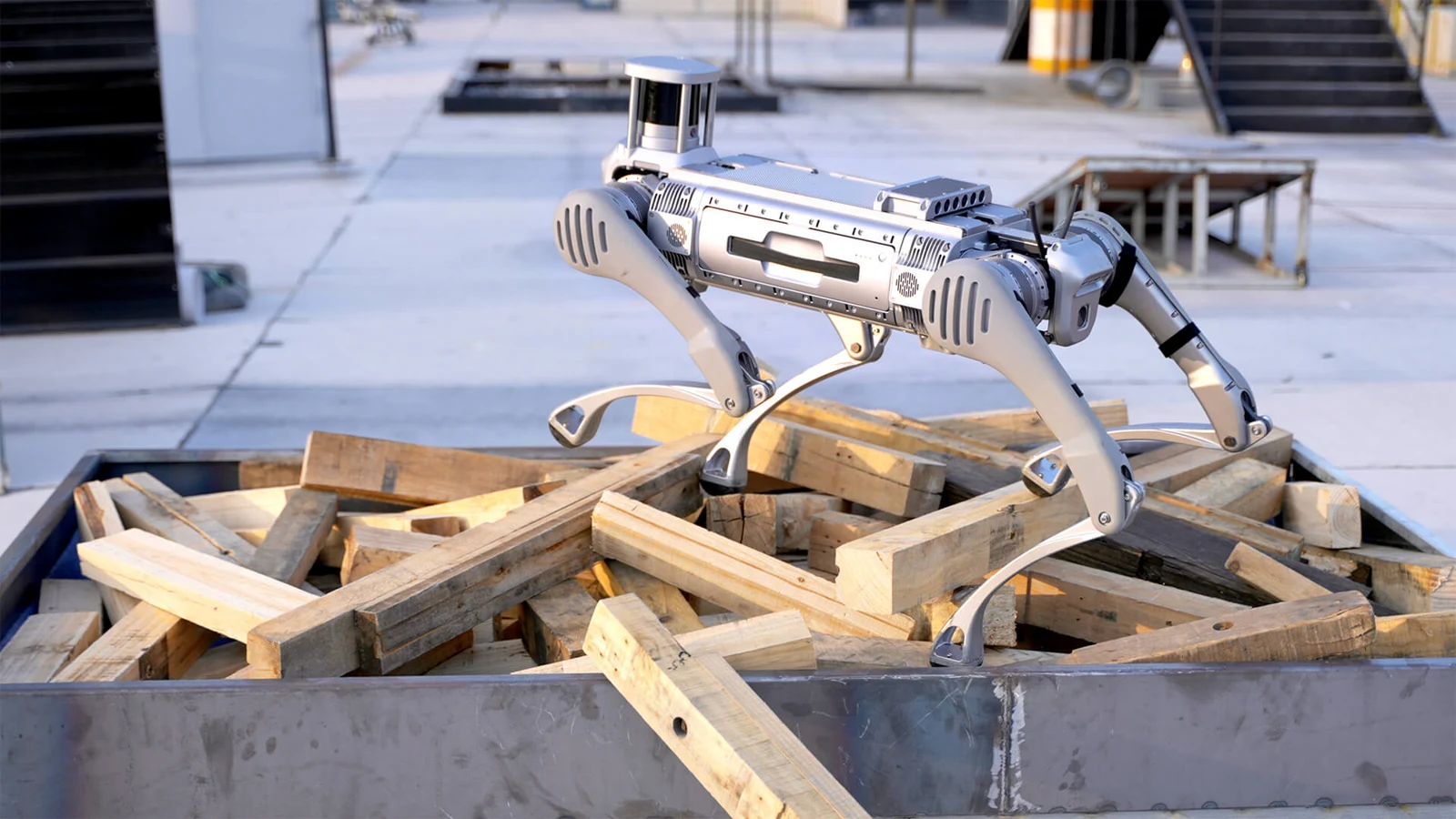
In the second week after Unitree’s listing, the shareholder story came into focus. A Forbes contributor analysis published on 27 August, and updated on 31 August, examined the potential gains for founder Wang Xingxing, employees and early backers including Meituan and HSG. Its calculations valued holdings using debut trading prices. [S1]
That is an understandable way to illustrate the scale of an IPO. It is also easy to misread. A stake valued at a market price is not evidence that its owner sold it, received that amount in cash or made those funds available to the company. PHASE is not reproducing the article’s wealth estimates as current valuations.
Three different pools of money
The first distinction is between capital raised by a company and the value of its outstanding shares. Proceeds from newly issued shares can fund the business, subject to the offering structure and expenses. A higher quoted price for shares already held by investors does not automatically add that increase to the company’s bank account.
The second distinction is between an investor’s paper gain and a realised return. A valuation uses a price as a reference. A sale depends on whether the holder can sell, the conditions attached to the holding and the price buyers will actually pay. This article does not establish the lock-up or sale status of any named investor.
The third distinction is between financial backing and an operating relationship. An investor may bring relevant expertise or connections. Ownership alone does not establish a supply contract, a technology integration or a customer deployment. Each of those needs its own evidence.
What a shareholder list can tell us
Our reading is that Unitree’s mix of financial and technology-sector backers is worth following because it raises concrete questions about execution. Which relationships produce disclosed engineering work? Which lead to customer trials? Which remain financial investments? A partnership announcement should eventually be followed by identifiable work and results, rather than being counted repeatedly as progress.
Employee ownership raises a different question: how the company attracts and retains the people needed for a long development programme. The Forbes piece drew attention to employee participation. It did not establish that all participating employees had converted their holdings into cash. [S1]
For readers, the discipline is to distinguish ownership, control, incentives and liquidity. They are related concepts, but they do not answer the same question. A large notional gain may change incentives without immediately financing a new research project.
Follow the operating consequences
The next useful evidence will be in dated company disclosures: spending on development, staffing, operating cash flow and progress against stated projects. A rising share price might create favourable financing conditions. It cannot substitute for those records.
For Australian buyers, the practical conclusion is narrower still. A prominent investor does not guarantee the configuration of a robot, local service capacity or the terms of a supplier’s warranty. Those belong in the purchasing documents and acceptance process.
Unitree’s listing makes its ownership story more visible. The stronger long-term story would connect capital to demonstrable capability and paying customers. Keeping those stages separate helps readers understand the business without treating every headline valuation as money already spent—or work already delivered.
This is editorial analysis, not investment advice or a price target.
Editorial note: prepared with AI assistance and published at the operator’s direction. This is a retrospective analysis; the publication date records when this article appeared on PHASE. PHASE retains editorial responsibility.
Sources & analysis
Secondary reporting
The Biggest Winners From Unitree’s $50 Billion IPO Forbes — Edith Yeung, contributor · Published 2026-08-27 · Retrieved 14 September 2026
This is an independent, unofficial publication and is not affiliated with Unitree Robotics.
Related reading
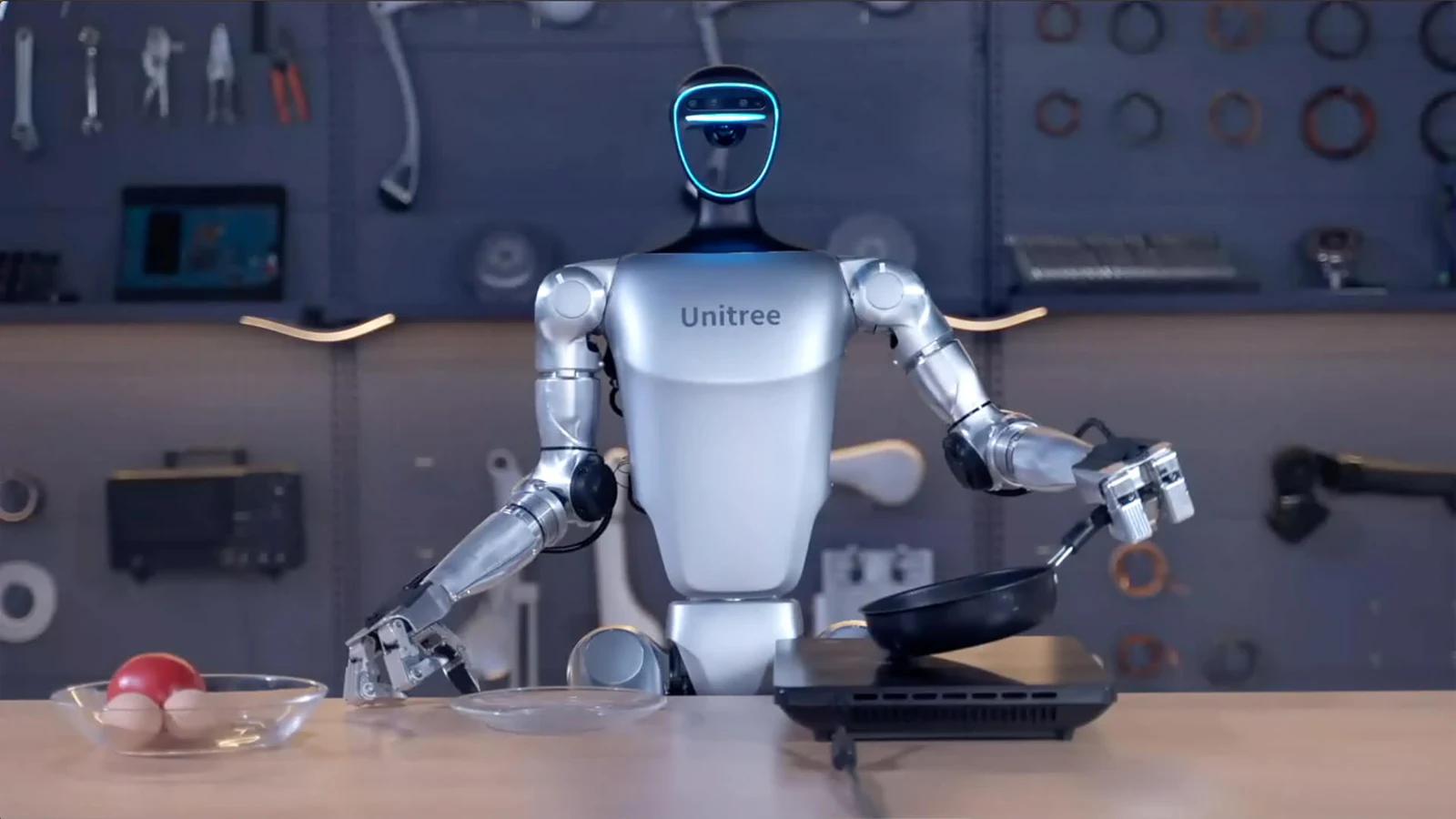
G1+ puts the upgrade question in the sensors, not just the motors
10–16 September 2026, reviewed through 14 September. A reading of Unitree’s current G1+ specification highlights sensing, configuration and developer access—the details that matter before an upgrade.
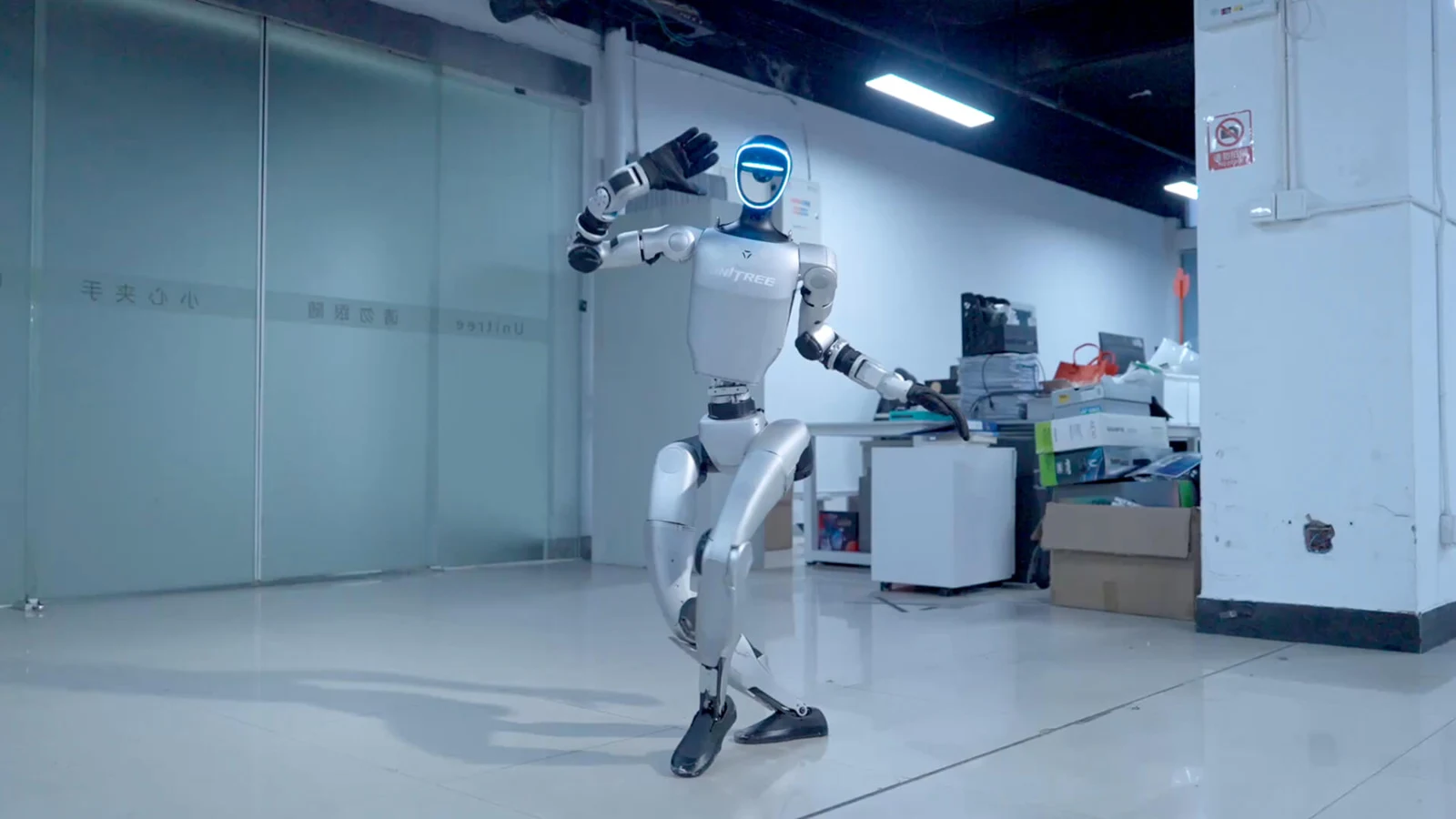
Unitree’s autonomous combat claim needs evidence beyond the ring
3–9 September 2026 in review. The UnifoLM-X2-1.0 announcement put real-time interaction in the spotlight. The next questions concern the test conditions, supervision and transfer to useful tasks.

Unitree’s 80% test needs a better question: 80% of what?
20–26 August 2026 in review. Wang Xingxing described a threshold for robotics’ breakout. Turning that ambition into a useful test requires more than a percentage.
Reader discussion
No comments yet. Add the first thoughtful contribution.
Join the discussion